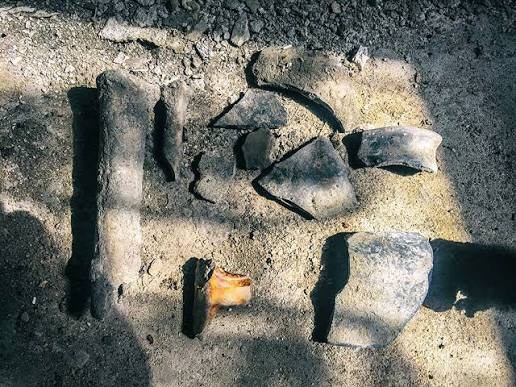
2900–2100 BC
Schönfeld culture.
The house
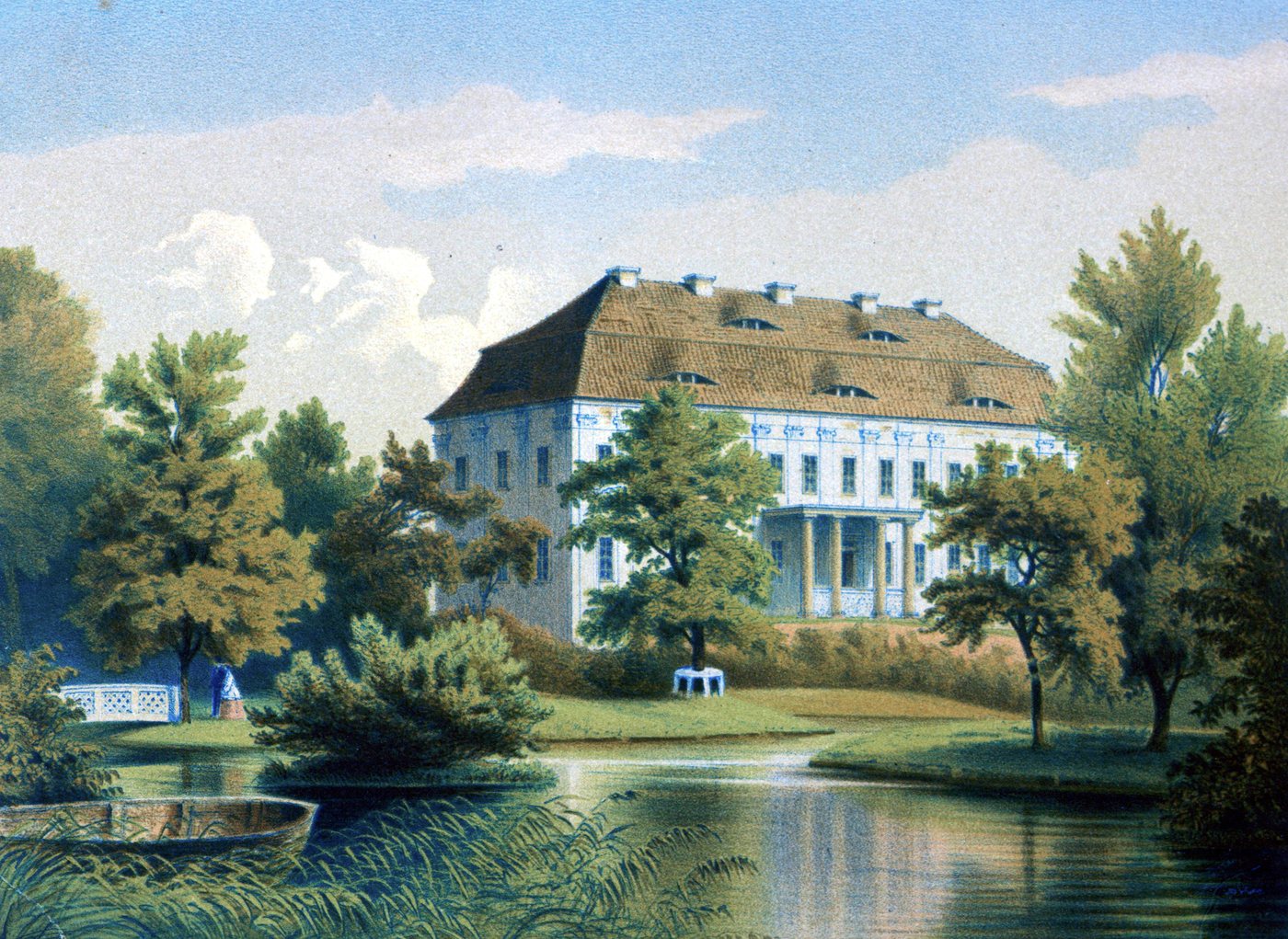
Castle, church, courtyard, park and pond have formed a grown ensemble since the 19th century. A place full of history and natural charm, still alive today. Not a museum, but a private home where past and present meet.
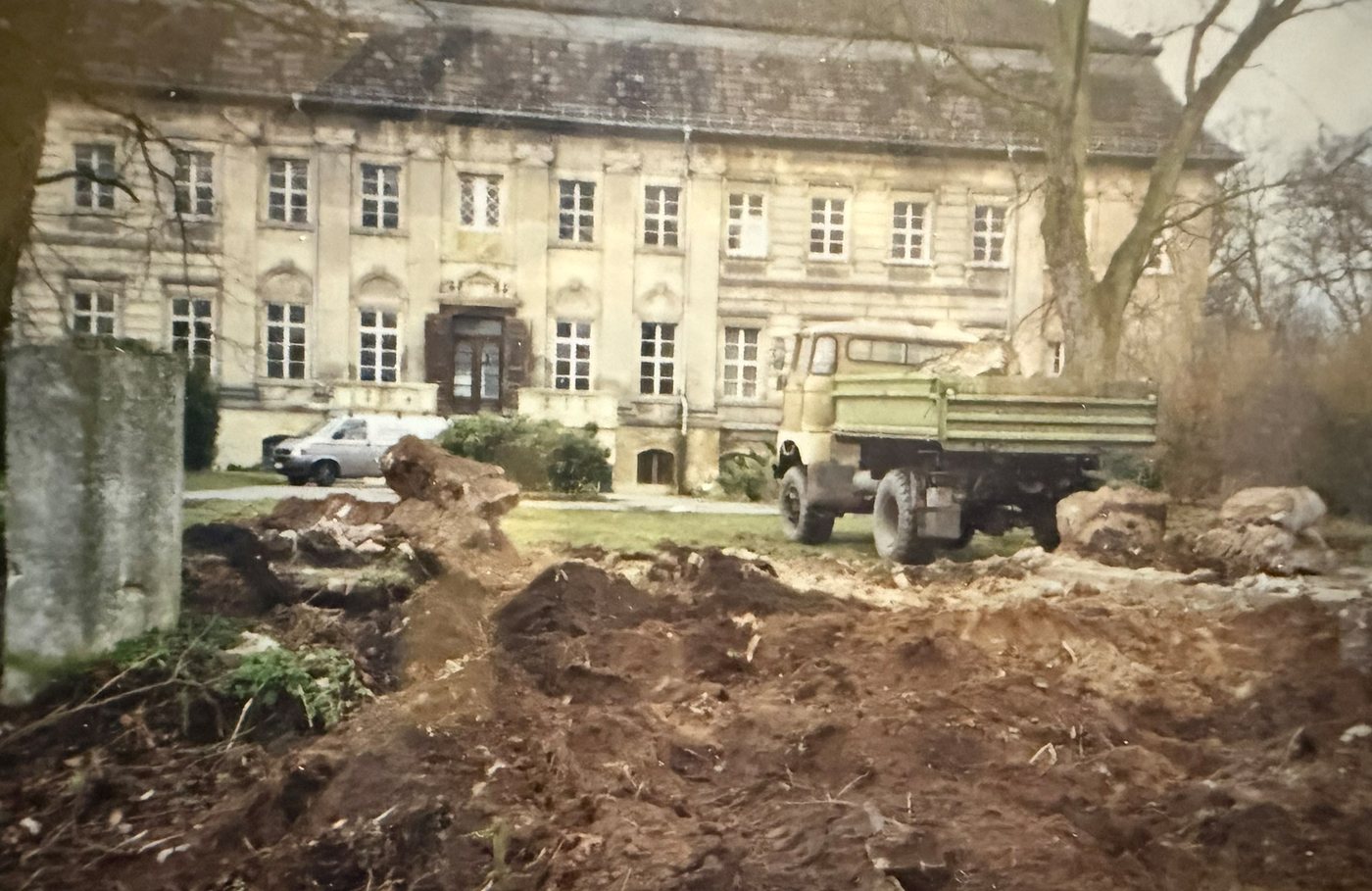
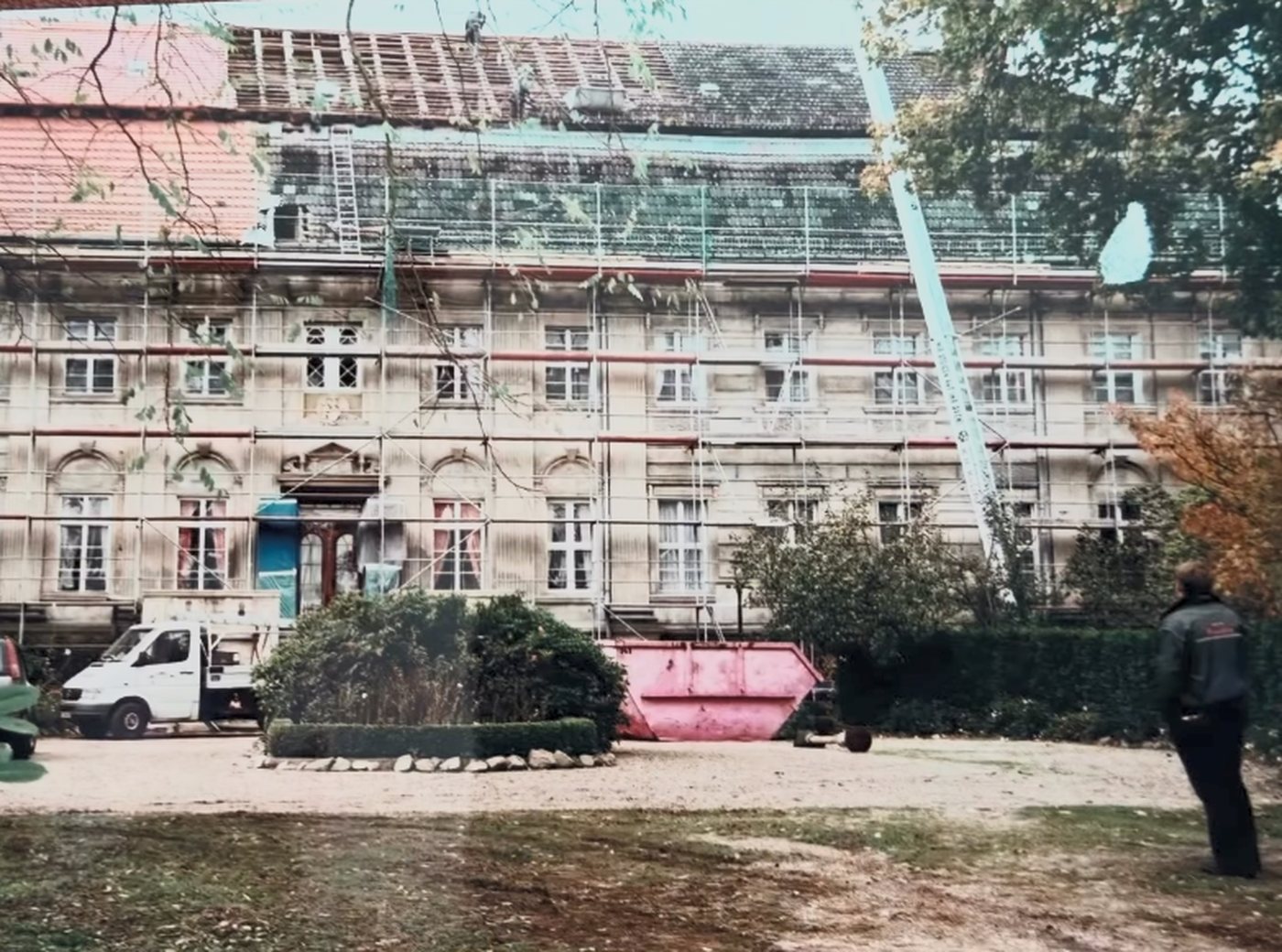
History
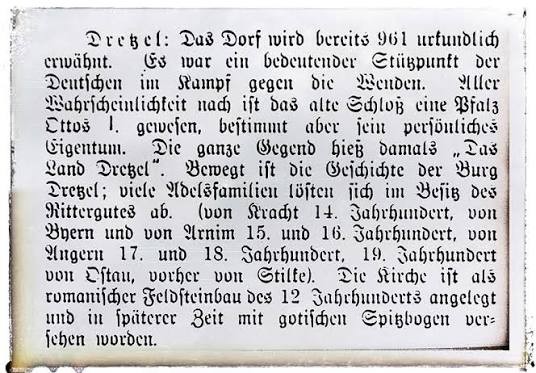
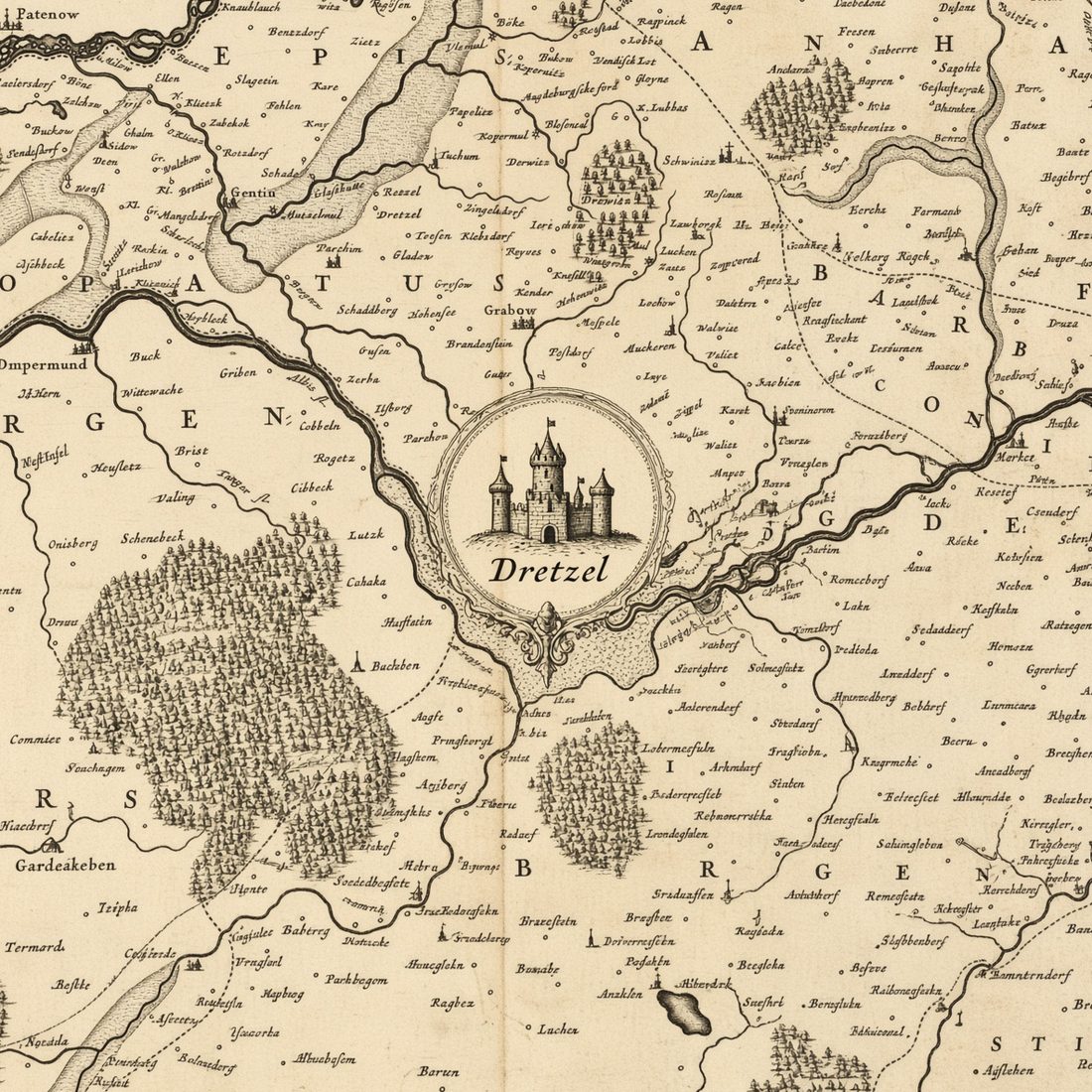
Dretzel lies in the Jerichower Land, set in the wide landscape of Saxony-Anhalt. For centuries the place has been closely bound to an agricultural estate. At the centre of the historic ensemble stands the manor house of Schloss Dretzel, which still shapes the character of the place.
The castle and its park express a time when an estate was not only an economic centre, but also a place to live, a place to receive, and a cultural focus. Buildings, garden and landscape formed a whole that can still be experienced today.
The present manor house was built in 1804. Its neoclassical design stands for the architecture of the early 19th century and the development of representative manor houses in the region.
For generations the manor house was the centre of estate life. Guests were received here, celebrations were held, and decisions were taken that shaped life on the estate and in the surrounding landscape.
The history of the house is inseparable from the people who lived and worked here. Family history, farming, social change and the shifting history of Germany have left their traces in Dretzel.
The historic character of Dretzel includes the park as well as the manor house. The link between architecture and landscape was an essential element of historic estates.
Old trees, paths and open lawns still tell of that link. The park makes a particular transition between the representative manor house and the surrounding landscape of the Jerichower Land.
Walking through the park, one experiences not only nature, but a piece of grown cultural history.
Like many historic estates, Schloss Dretzel has seen many changes. Political ruptures, social change and the transformation of agriculture altered the use of the estate and its buildings.
The 20th century brought especially deep cuts for historic estates in Germany. Dretzel was not untouched by these developments.
Even so, the historic core of the ensemble remained. The manor house, the park and the grown structure of the former estate still make the particular atmosphere of the place.
Today Schloss Dretzel stands for the connection of history, architecture, nature and a lived present.
A historic building is never only its past. It lives because people use it, keep it, and join it to new stories.
So Schloss Dretzel is again a place for meetings, celebrations, culture and particular stays. Between historic walls and old trees a link of past and present arises that makes the character of this place.
Schloss Dretzel is thus more than a historic manor house. It is a grown place whose history can still be felt.
Please enquire in good time, especially for weekends and in the wedding season.
Arrival via the B1/B107 towards Genthin, district of Dretzel. Genthin station (Berlin–Magdeburg).
Check-in from 12:30, departure by 13:00.